What It Actually Costs to Run a Boxing Gym in Kampala
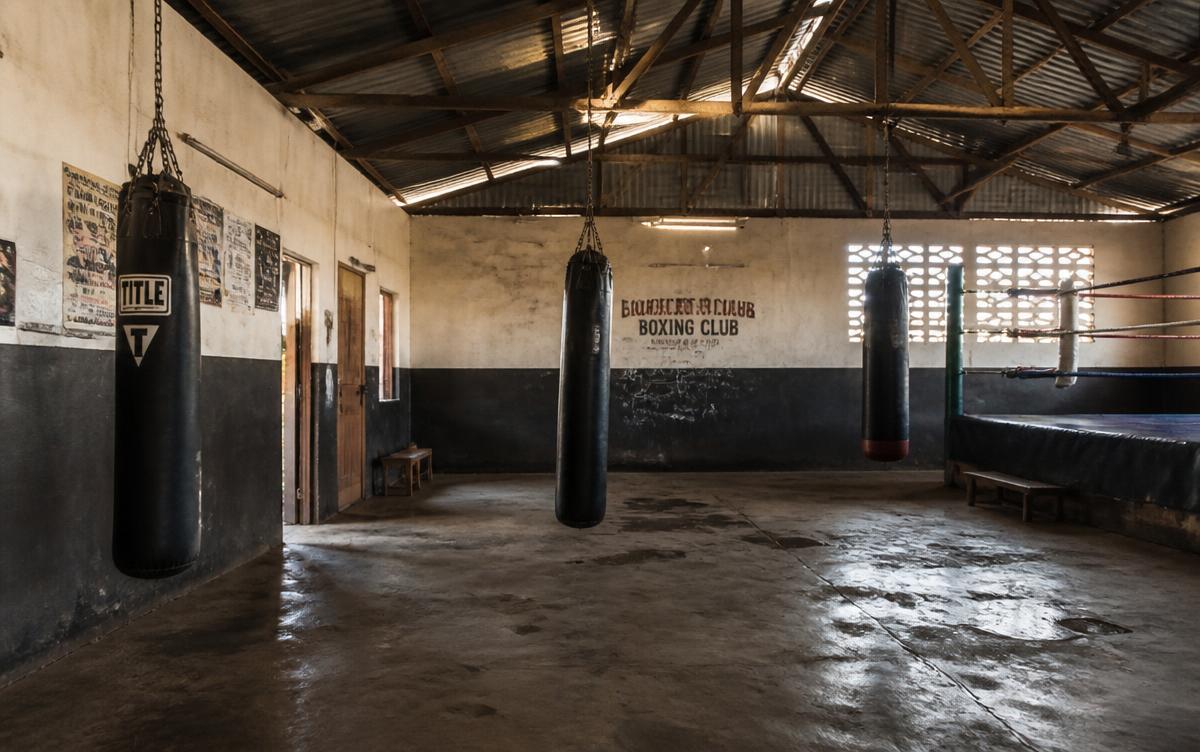
Gloves, wraps, rent, a coach who gets paid. Here is the honest, line-by-line picture of what keeps a youth boxing gym open in Uganda — and where your donation actually lands.
Donors deserve arithmetic, not adjectives. So here is the arithmetic.
The recurring costs
A youth boxing session needs three things that cost money: a space, a qualified adult, and equipment that has not fallen apart. In Kampala, the space is the cheapest of the three and the coach is the one most often skipped — which is exactly why so many gyms drift into being unsupervised rooms with a heavy bag.
Training gloves take a beating in a gym where twenty kids share a set. Hand wraps wear out in months. Headgear and mouthguards are non-negotiable for sparring and are the first items to go missing from a shared bin. None of this is exotic; all of it is recurring.
Why 'one hoodie funds a session' is a real number, not a slogan
We price our merchandise so that the margin on a single hoodie covers the coaching and equipment cost of one supervised youth session. That is the whole logic of the shop. If you would rather skip the hoodie, a direct donation does the same job with less overhead — we say so plainly because it is true.
What we do not spend on
We are a small US nonprofit organisation supporting a single club. There is no paid marketing team and no office. Card processing fees and Shopify's cut are the main deductions between your card and Kampala, and we publish that on our transparency page rather than burying it.
The part money cannot buy
Consistency. A coach who is there every week is worth more than any equipment purchase, because the kids who benefit most are the ones with the least stable schedules elsewhere. Funding coaching wages first is a deliberate choice.
If you want the current breakdown of where donations go, it lives on our transparency page and we update it as things change.