The Bombers: A Short History of Ugandan Boxing at the Olympics
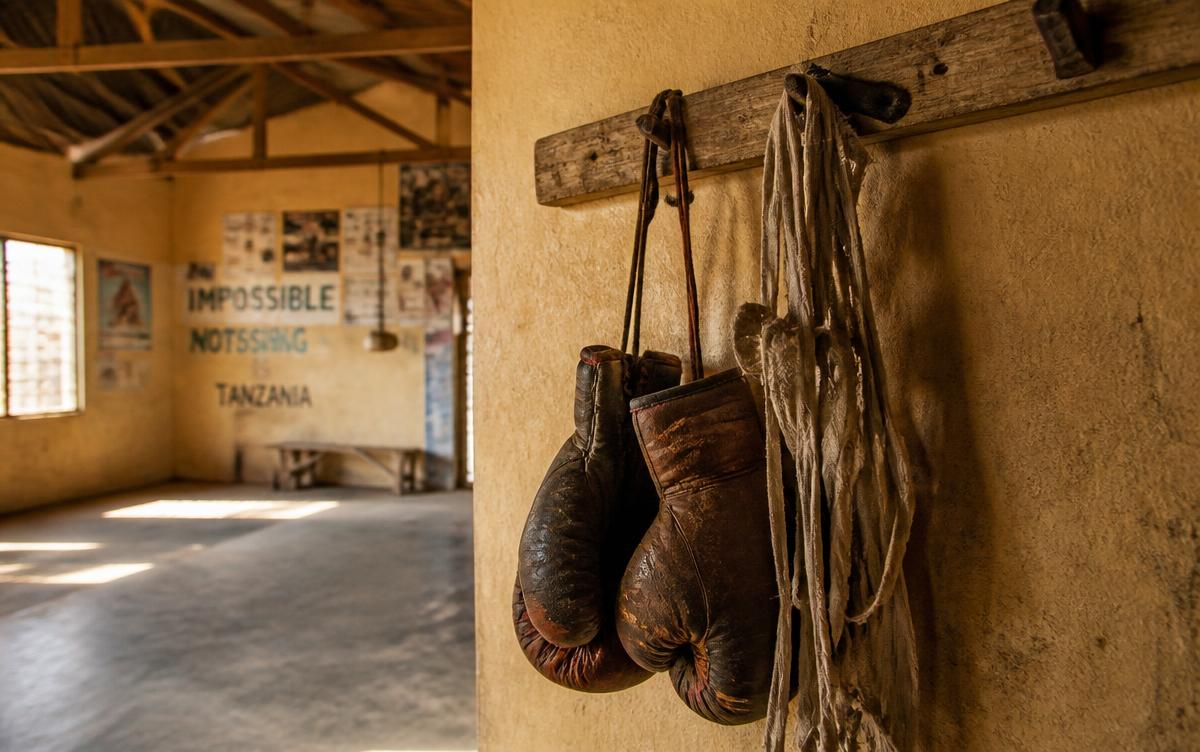
Every medal Uganda has ever won at the Summer Olympics in a combat sport came from boxing. Understanding that record explains why a gym in Kampala still matters today.
Ask most people to name a Ugandan sport and they will say running. Ask an older generation and they will say boxing. Uganda's national boxing team — nicknamed The Bombers — carried the country's flag through the 1960s, 70s and 80s, and the record still stands up.
Uganda's first Olympic medal of any kind came in the ring: a bronze at the 1956 Melbourne Games. Light-flyweight Leo Rwabwogo medalled twice, taking bronze in Mexico City in 1968 and silver in Munich in 1972. In 1980, Uganda won its first Olympic gold in Moscow when John Akii-Bua's era gave way to a boxing team that returned home to crowds in Kampala. Across the Games, boxing has produced the clear majority of Uganda's Olympic medals.
What changed
The infrastructure did not keep pace with the talent. Political instability in the late 1970s and 80s emptied clubs and scattered coaches. Amateur boxing worldwide also changed: qualification moved toward expensive international circuits, and countries without travel budgets simply stopped showing up to the tournaments that produce rankings.
Uganda still qualifies boxers. It still produces continental medalists. What it does not reliably have is the layer underneath — funded neighbourhood clubs where a fourteen-year-old can train five days a week with a certified coach, gloves that fit, and a scale that works.
Why this history matters to us
The Kampala Boxing Club is one of those neighbourhood clubs. We are not trying to recreate a national program. We are trying to make sure the pipeline that produced Rwabwogo and the 1980 team has a floor under it: coaching wages paid on time, equipment replaced before it fails, and kids who show up finding a door that is open.
The history is proof the talent exists. The gap is everything that happens between a talented eleven-year-old and a funded athlete. That gap is where donations go.